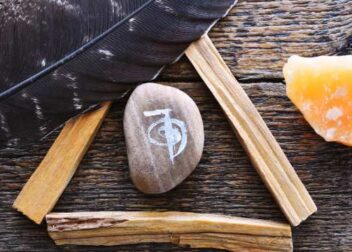

What Is Reiki healing
If you have heard of Reiki but still are not quite sure what it really is, you are not alone. Reiki healing is one of the most widely practiced forms of energy healing in the world, yet many people truly understand it only after experiencing a Reiki session for themselves. It is often described as a pause from everything, a moment of deep rest and a gentle return to inner balance.
Reiki is a Japanese method of energy healing developed by Mikao Usui in the late nineteenth century. The word rei refers to universal life energy, while ki describes the vital force that flows through all living beings. When this natural flow becomes disrupted by stress, emotional overload, exhaustion, or constant overthinking, the body reacts with tension, heaviness, or restlessness. Reiki therapy helps restore that flow and guides the body back into a state of ease.
One of the unique aspects of Reiki is its simplicity. A Reiki practitioner does not use their own personal energy. Instead, they channel universal life force, allowing it to move exactly where it is needed most. Because of its gentle nature, Reiki integrates easily with any healing path and can support medical treatment, psychotherapy, and other holistic healing practices without interfering with them.
What a Reiki Session Looks Like
A Reiki session is deeply relaxing and non invasive. You lie comfortably, fully clothed, while the practitioner places their hands lightly on or slightly above specific areas of your body. The environment is calm and soothing, designed to help your mind and nervous system unwind.
People often describe sensations such as gentle warmth, subtle tingling, waves of relaxation, or an emotional release that feels like inner tension softening. Some experience these sensations clearly, while others notice more subtle shifts. Almost everyone finishes with the same feeling of lightness.
Benefits of Reiki Healing
Reiki offers support on physical, emotional, mental, and energetic levels. It is known for reducing stress by helping the nervous system shift from tension into deep rest. This makes it especially helpful for people who struggle to slow down or quiet their thoughts.
Reiki also supports emotional healing by softening stored feelings and mental pressure. Many people experience more clarity and grounding after a session. Others notice increased energy or an improved mood, as if their system has gently reset itself. Because the body relaxes deeply, Reiki often enhances sleep quality. It can also support physical recovery by helping the body enter a regenerative state, although it does not replace medical care. Above all, Reiki often helps people reconnect with themselves and restore a sense of inner balance.
Who Reiki Is For
Reiki is suitable for anyone seeking more calm, balance, or emotional clarity. It is especially supportive for people navigating stress, highly sensitive individuals, those feeling emotionally overwhelmed, and anyone looking for a gentle and effective holistic therapy.
There is no required preparation or belief system. You simply relax and allow your body to receive what it needs. Sometimes that quiet moment of rest is exactly what restores harmony from within.